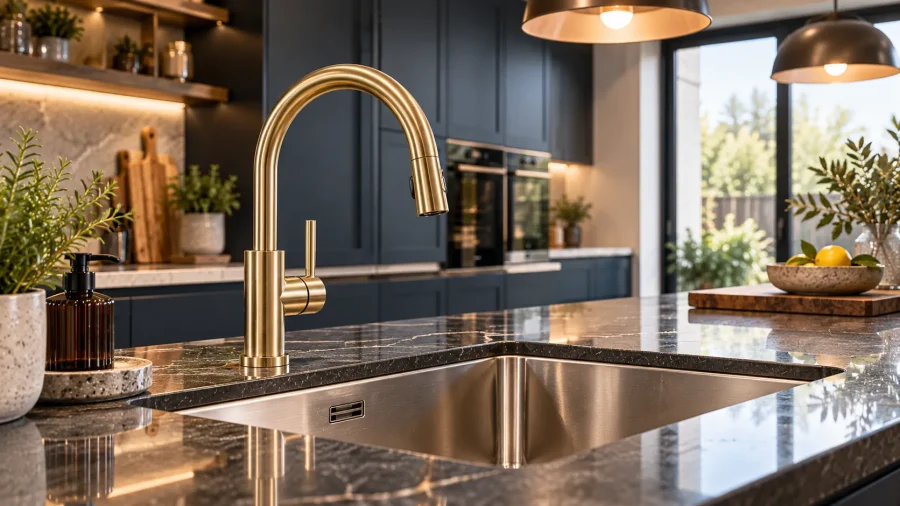
The tap tends to get picked at the very end of a kitchen project, almost as an afterthought. Which is odd, really, because you’ll use it more times a day than almost anything else in the room. Filling the kettle. Rinsing spinach. Blasting dried porridge off a pan.
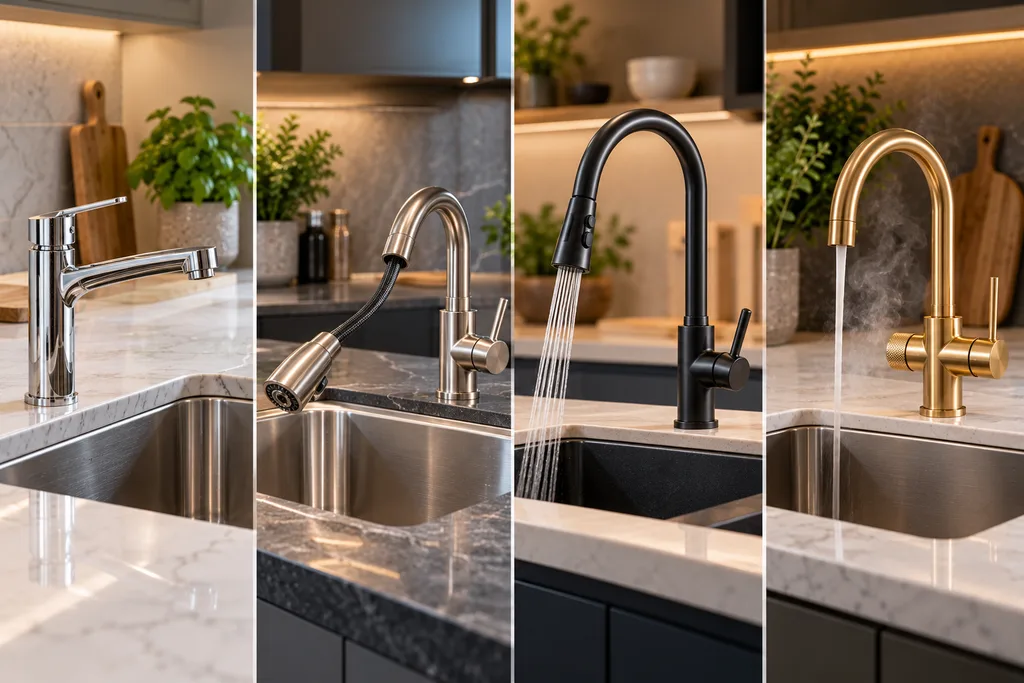
There’s a lot more choice than there used to be, from plain mixer taps to pull-out sprays and taps that pour boiling water on demand. Each suits a different kind of kitchen and a different kind of household. Here’s how they compare and what to check before you buy.
What Should You Consider Before Choosing Kitchen Taps?
A good-looking tap that doesn’t suit your sink or your plumbing will drive you mad. So before you get into styles, look at the practical stuff.
Kitchen Design and Sink Compatibility
Your tap needs to work with your sink, not just match it. How many tap holes are there? Where does the sink sit? How much space is behind and above it?
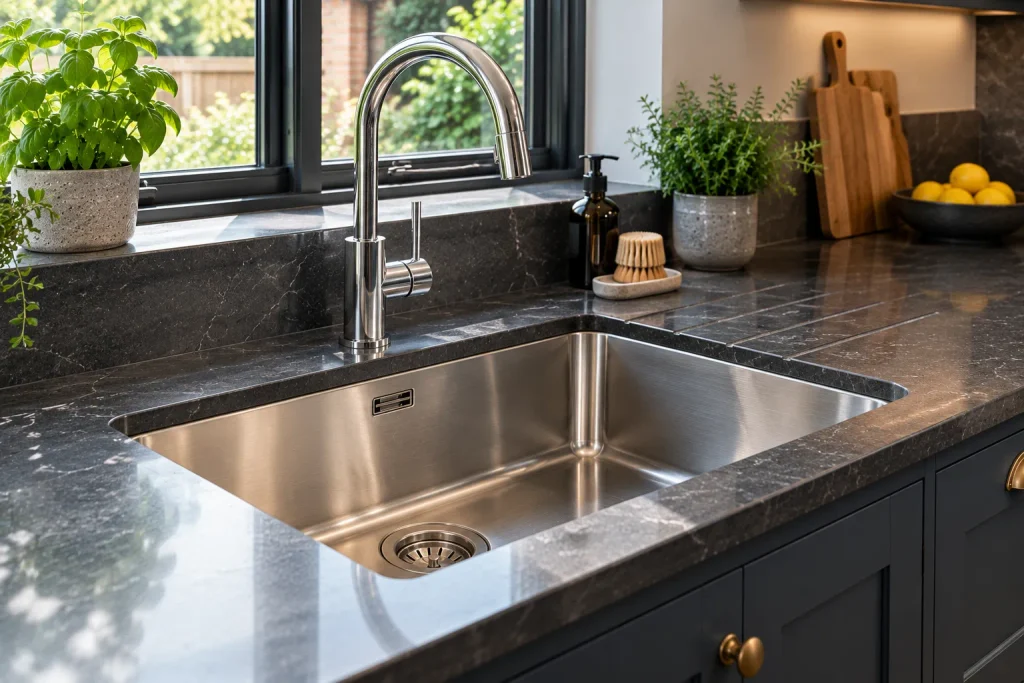
A big pull-out tap makes sense over a large sink. In a small kitchen, something more compact will usually feel better. Height and reach matter too. If you’re forever filling a stockpot, you’ll want enough clearance to get it under the spout without tilting it.
Water Pressure Requirements
This one catches people out. Some taps need high pressure to work properly and others are built for low-pressure systems.
Every tap should list a minimum (and sometimes maximum) pressure in its specs. Check it against your home. If you’ve no idea what your water pressure is, a qualified plumber can tell you quickly.
Everyday Use and Household Needs
Think about what you actually do at the sink. Lots of veg rinsing and scrubbing baking trays? A pull-out or pull-down spray will earn its keep. Endless cups of tea? A boiling water tap might be worth a look. If you mostly just wash up and fill things, a straightforward mixer will do the job perfectly well.
Budget and Maintenance
Prices vary a lot depending on design, finish and features. Boiling water taps sit at the top end, partly because of the extra equipment and fitting involved.
Don’t forget the running costs, either. Some taps need replacement filters or occasional servicing. Factoring those in now saves surprises later.
What Are the Different Types of Kitchen Taps?
Standard Mixer Kitchen Taps
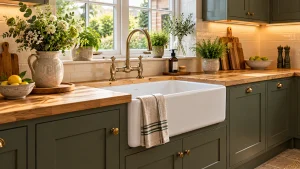
The classic. Hot and cold water come out of a single spout and you control the temperature with one or two handles.
Mixer taps are simple, reliable and fit in with pretty much any kitchen. Single-lever versions are especially handy, as you can adjust flow and temperature with one hand while the other is holding a pan.
If you want something familiar that just works, this is it.
Pull-Out Kitchen Taps
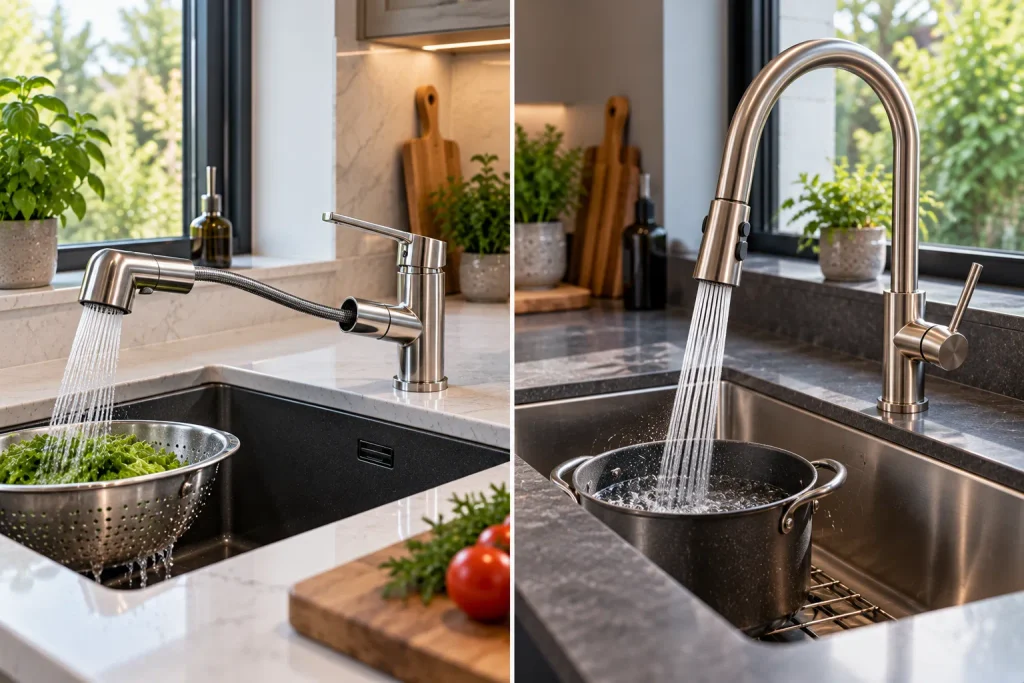
With a pull-out tap, the spray head comes away from the spout on a flexible hose. That means you can rinse every corner of the sink, wash veg in a colander, or fill a bucket that won’t fit underneath.
Most have a couple of spray settings, usually a normal stream and a more powerful spray. When you let go, the hose pulls back into the tap body.
They’re brilliant in kitchens where the sink does a bit of everything.
Pull-Down Kitchen Taps
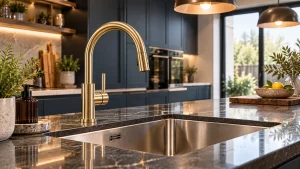
Pull-down taps usually have a tall, arched spout and the spray head pulls straight down into the sink rather than out towards you.
That makes it easy to rinse dishes and reach right into the corners of a big bowl. They also look striking, which is why you’ll often see them in modern kitchens as a bit of a centrepiece.
Watch the height, though. Under a wall cabinet or shelf, a tall pull-down tap can be a tight squeeze.
Boiling Water Kitchen Taps
These pour near-boiling water straight from the tap, so there’s no waiting for the kettle when you’re making a cuppa or blanching some greens.
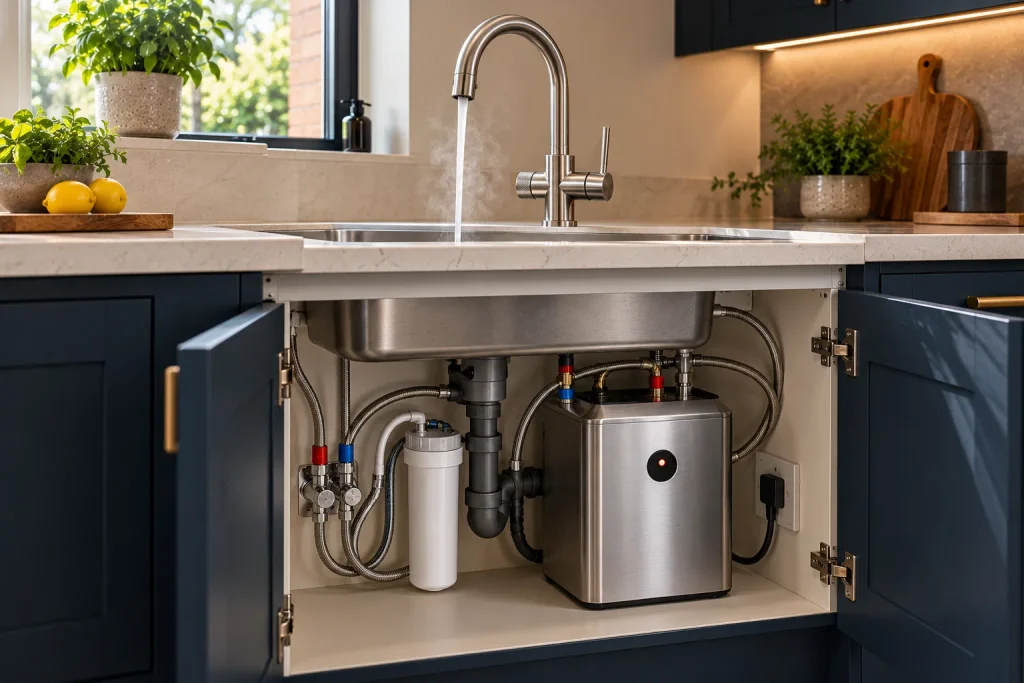
Most systems use an insulated tank that sits under the sink, heating and storing water ready to go. How they actually work varies a fair bit between brands.
They’re handy, but they need room under the sink, careful installation and a proper look at the safety features.
3-in-1 Boiling Water Taps
A 3-in-1 tap gives you hot, cold and filtered boiling water from one unit. So instead of a mixer plus a separate boiling tap, everything comes from the same spout.
It keeps the sink area tidy and suits anyone who uses boiling water a lot. You’ll still need an under-sink tank and the right plumbing connections. Before buying, check what’s involved in fitting it, how often the filters need changing and what safety mechanisms it has.
Pull-Out vs Pull-Down Kitchen Taps: What Is the Difference?
Both have a spray head on a hose. The difference is in the direction it moves and the shape of the tap.
How Pull-Out Taps Work
The spray head pulls outwards, towards you, from a fairly compact spout. You can move it around the sink or point it into a container sitting beside it. Because the spout is usually lower, it’s a good fit where there isn’t much space above the sink.
How Pull-Down Taps Work
The spray head pulls downwards from a taller spout. It’s comfortable for rinsing and for getting into the corners of the bowl. That extra height suits bigger sinks, but measure the clearance above before you commit.
Which Design Suits Different Sink Arrangements?
Tight on space above the sink, or prefer something compact? Pull-out. Got a large sink and plenty of headroom? A pull-down can make the most of it.
Neither is better across the board. Look at your sink size and depth, how high the cabinets are and what you use the sink for most.
Are Boiling Water Kitchen Taps Worth It?
For some households, absolutely. For others, they’re an expensive way to replace a kettle. It depends on how much hot water you use and whether the installation and upkeep make sense for your kitchen.
How Boiling Water Taps Work
Most use a dedicated tank under the sink that heats water and keeps it ready. The heating method, tank size and controls all vary by model. Some also give you filtered drinking water and others add normal hot and cold as well.
Benefits of Instant Hot Water
The big win is convenience. Hot water is there the moment you want it, whether that’s for a coffee, a pot noodle or a quick start on the pasta water.
It can also mean saying goodbye to the kettle, which frees up a bit of the worktop.
Whether it’s worth it in the end really comes down to how often you’d use it and what that particular system costs to run.
Safety Features and Child-Friendly Controls
This is water at close to boiling point, so safety isn’t something to skim over.
Different taps protect against accidents in different ways. You might see push-and-turn handles, child locks or other features that make it harder to turn on by mistake. They’re not all the same.
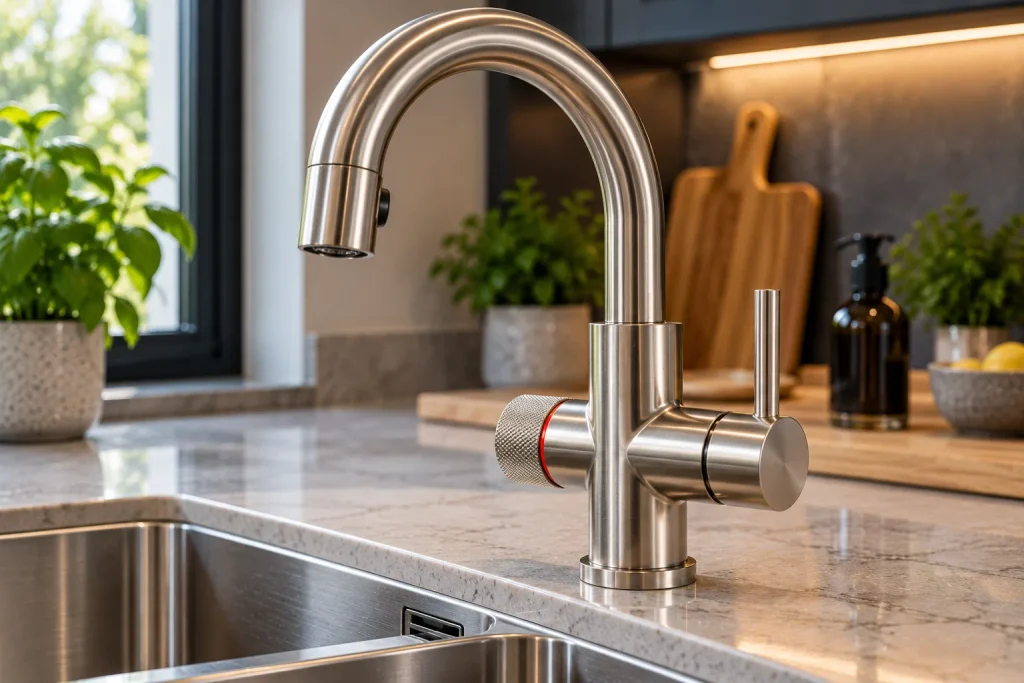
If you’ve got children in the house, read the safety information properly and think about where the tap will sit and how it’s operated. Don’t assume every model is as safe as the next.
Installation and Maintenance Considerations
There’s more involved than with a standard tap. You’ll usually need space for the tank, a suitable electrical supply, water connections and enough room to get at everything for servicing.
Many models also have filters that need replacing on a schedule. Check what’s required before deciding it’s right for you.
How Does Water Pressure Affect Kitchen Tap Choice?
A tap that works beautifully in one home can be a trickle in another. Plumbing makes all the difference.
Low-Pressure and High-Pressure Systems
Some taps cope with a wide range of pressures. Others need a certain level to work as intended. Put a high-pressure tap on a low-pressure system and you’ll probably be disappointed. Always check the specs instead of assuming.
Checking Tap Pressure Requirements
Manufacturers usually list a minimum operating pressure and sometimes a recommended range. If you don’t know your home’s pressure, ask a qualified plumber to check before you buy.
Compatibility with Existing Plumbing
Think about how the new tap will connect to your hot and cold supplies. Specialist taps can have extra requirements and boiling water systems need additional connections plus the under-sink tank. Checking this upfront avoids last-minute changes on fitting day.
What Should You Check Before Installing a New Kitchen Tap?
Existing Tap Holes and Sink Configuration
Count the tap holes in your sink or worktop. Many taps need just one, while others need more or a different fitting. Also check the spout will actually reach the middle of the bowl, as a tap that pours onto the edge of the sink gets annoying fast.
Hot and Cold Water Connections
Standard mixers need hot and cold connections. Specialist taps may need more. Read the installation instructions before you buy, not after.
Space Beneath the Sink for Boiling Water Systems
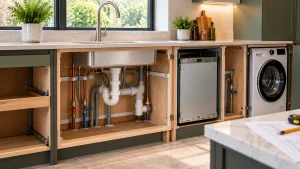
If you’re thinking about a boiling water tap, open the cupboard under the sink and measure. The tank needs room and it needs to be reachable for maintenance. Remember the bin, the pipes and the bottles of washing-up liquid have to go somewhere too.
Professional Installation Requirements
Swapping a basic tap can be fairly straightforward. Once you’re adapting plumbing or adding a boiling water system with electrics, it’s a job for a suitably qualified professional who’ll follow the manufacturer’s instructions and the relevant requirements.
How to Choose the Best Kitchen Tap for Your Home
The best tap is the one that suits your routine, your plumbing and your kitchen. Not just the one that looks best in the showroom.
Best Options for Everyday Kitchen Use
A standard mixer is hard to beat for simple, everyday washing up, filling and food prep.
Best Options for Busy Family Kitchens
A pull-out or pull-down tap really helps when the sink is in constant use. Rinsing plates, cleaning the bowl and washing bigger items all get easier. When comparing, look at how solid the spray head feels, how easy it is to clean and how smoothly the hose pulls out and back.
Best Options for Modern Kitchen Designs
If looks are high on your list, choose a tap that ties in with your handles, appliances and other finishes. Sleek mixers, tall pull-down taps and slim boiling water taps all suit modern kitchens. Just make sure the finish is easy to keep clean, as some show every water spot.
Best Options for Convenience and Quick Hot Water
Big tea or coffee drinker? A boiling water tap could be a game changer. A 3-in-1 is worth considering if you want hot, cold and filtered boiling water from one tap. Compare the space needed, safety features, filter costs and running costs before you decide.
What Is the Most Practical Type of Kitchen Tap?
For most homes, a standard mixer tap. It’s simple and does everything you need. If you rinse a lot of big dishes or want to reach every corner of the sink, a pull-out or pull-down tap gives you more flexibility.
Are Pull-Out Kitchen Taps Worth Buying?
They can be, if you’d use the extra reach for rinsing, washing up or cleaning the sink. How useful they are depends on your sink size, your layout and how often you’d actually pull the spray out.
What Is the Difference Between a Mixer Tap and a Pull-Out Tap?
A mixer tap blends hot and cold water through one spout. A pull-out tap has a spray head on a hose that pulls away from the spout. Lots of pull-out taps are mixers too, so the two terms describe different features rather than completely separate types.
Do Boiling Water Taps Use a Lot of Electricity?
It depends on the model, the tank, how well it’s insulated, the temperature setting and how much you use it. Check the manufacturer’s energy and running cost information instead of assuming they’re all the same.
Can a Boiling Water Tap Work with Low Water Pressure?
That depends on the model. Check its minimum pressure requirement and if you’re not sure about your plumbing, ask a qualified installer to take a look.